Cream vs. Powder Blush: Which Formula Suits Your Skin Type and Climate?
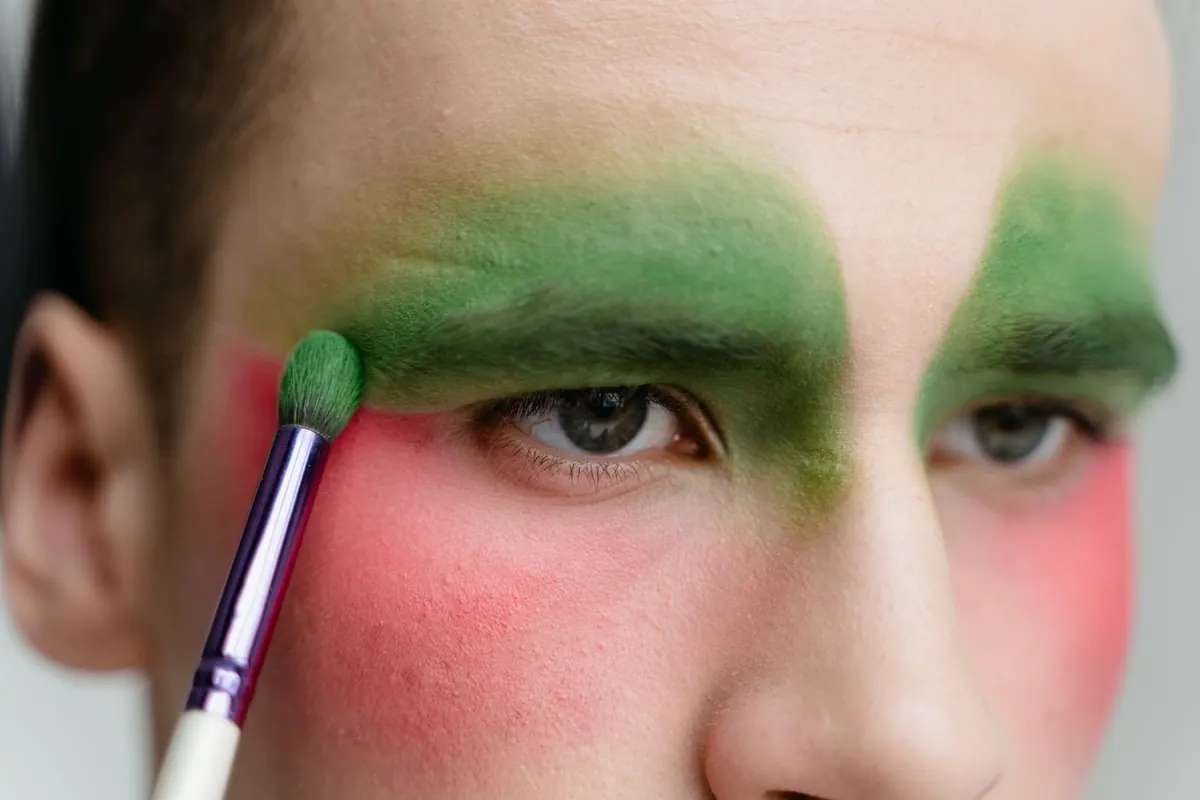
Blush is a small step with a big job: it decides whether your makeup reads as healthy or as flat. And the formula you choose matters more than the shade name on the label. A cream that melts beautifully into dry cheeks can slide off an oily T-zone by lunchtime, while a powder that looks flawless in a dry January office can turn chalky in July humidity. Matching texture to skin and climate is the difference between a flush that lasts all day and one you keep touching up.
Before you buy anything, answer honestly: how much oil does my skin produce by mid-afternoon, and what is the air around me actually like for most of the year? Most people can name their skin type easily but forget the climate factor. If you live somewhere humid, your skin behaves as if it is oilier than it is. If you live through long cold winters with indoor heating, it behaves as if it is drier. Both versions of you deserve a plan.
A simple rule: cream for dry skin and dry air, powder for oily skin and sticky air, and a little of both for combination skin. Everything below is a refinement of that idea.
Cream and balm blushes are pigment suspended in oils, waxes, or silicones. They give a finish that looks like skin rather than makeup sitting on top of skin, which is why they flatter dry, normal, and mature complexions. They also blend with fingertips, which makes them forgiving when you are in a hurry.
The trade-off is wear time and slip. On oily skin, cream can break down along the cheekbone and travel. In humid weather, the same thing happens even on normal skin. If that sounds like you, you can still wear cream — just set it.
Powder blush is pigment pressed with talc, mica, or silica. It grips to a base that has any texture or tackiness, blends in seconds, and holds its position through heat, workdays, and long evenings. Oily and combination skin almost always wears it better, and it is the safer choice in humid summers.
The catch is dryness. On flaky or dehydrated cheeks, matte powder can sit on top of texture and make it more obvious. If your skin is dry but you prefer powder, look for a satin or softly luminous finish rather than a flat matte, and keep your base well moisturised underneath.
Use a fluffy brush rather than a small dense one, tap off the excess against your wrist or the brush handle, and build in two or three thin layers instead of one heavy pass. Start slightly higher than feels natural — mid-cheekbone — and blend outward toward the temple. Colour that sits too low drags the whole face downward. If you overdo it, press a clean sponge or a light layer of translucent powder over the area to soften the edges.
Cream, balm, or liquid formulas are the easiest route to a glow that doesn't emphasise flakes. Apply over a hydrated base and skip heavy setting powder on the cheeks entirely. A liquid blush mixed into a drop of moisturiser gives the most forgiving result.
Powder, applied over a set base. Cream can work if you set it, but you are adding steps for a shorter wear time. Look for finely milled powders with a satin finish — they last as long as matte but look less flat.
This is where layering earns its keep. A thin layer of cream on the drier outer cheek, a powder over the top to lock it in, and you get the glow of one with the staying power of the other. If your cheeks are oily but your jaw and temples are dry, adjust the amount of setting powder rather than switching formulas.
Humidity softens powder and dissolves cream. Reach for a powder blush with some grip, or layer cream first and powder second. Keep a blotting paper in your bag and press it over the cheek before touching up — reapplying blush onto shine is what makes it go patchy.
Cold air and indoor heating strip moisture, so powder can look dusty by mid-morning. Switch to cream or liquid for the season. Bring the colour slightly higher onto the cheekbone and keep it sheer; flushed, natural-looking colour suits the season better than a strong stripe.
Cream underneath, powder on top is the most durable combination and the one most makeup artists fall back on. The cream supplies the colour and the skin-like finish; the powder sets it and extends wear. Apply cream with fingers or a sponge, let it settle for a minute, then dust a matching or slightly lighter powder over the top with a fluffy brush. If you want the softest possible look, use the powder only at the edges to diffuse the cream rather than covering it completely.
There is no universally better blush. There is only the right formula for the skin you have and the weather you live in. If you are dry or facing a cold season, start with cream. If you are oily or heading into humidity, start with powder. If you are somewhere in the middle, keep one of each and layer them — cream for colour and glow, powder for staying power. Buy the one that suits the majority of your year, then adjust when the seasons turn.
Photo: MART PRODUCTION / Pexels
Previous Post
The Beauty Sleep Checklist: 8 Evening Habits for Better Skin by Morning
Next Post
Common Skincare Mistakes That Cause Breakouts (and How to Fix Them)